Table of Contents
- What Is a Dab Pen?
- The 2026 Dab Pen Market Landscape
- Types of Dab Pens and Vapor Pens
- Safety First: Understanding Dab Pen Risks in 2026
- How to Choose the Best Dab Pen for Your Needs
- How to Use a Dab Pen Safely and Effectively
- Temperature and Voltage Management for Concentrates
- Maintenance and Battery Safety Best Practices
- Where to Buy Dab Pens Online Safely
- The Future of Dab Pens and E-Rigs
Quick Takeaways
— Vapor pens are now the second-largest cannabis product category in the U.S., generating an estimated $4.3 billion in 2024 sales, with modern dab pens offering unprecedented convenience and technology.
— Safety is paramount in 2026: only purchase dab pens from licensed, regulated retailers and verify certificates of analysis (COAs) to avoid heavy-metal contamination and harmful additives like vitamin E acetate.
— The best dab pen for you depends on your use case: 510-thread cartridges offer versatility, disposable vape pens provide convenience, and advanced e-rigs like portable dab rigs deliver desktop-quality experiences on the go.
— Temperature control is critical when vaping concentrates—lower temps (around 490–545°F for e-rigs, low-to-mid voltage for cartridges) preserve terpenes and flavor while minimizing degradation.
— Look for hardware built with medical-grade materials like 316L stainless steel components, and always follow battery safety protocols to prevent fires or malfunctions.
The modern dab pen has come a long way since the early days of cannabis vaporization. As legal cannabis markets mature across the United States—now spanning 24 adult-use states plus DC and 40 medical states—vapor pens have cemented their position as the #2 product category, trailing only flower in total sales. With an estimated $4.3 billion in U.S. sales in 2024, dab pens and vapor pens represent a massive, rapidly evolving segment that demands both consumer education and industry expertise.
For cannabis professionals, dispensary operators, and informed consumers in 2026, understanding the dab pen landscape means navigating a complex intersection of hardware innovation, safety regulations, product formats, and user experience. The devices have diversified far beyond simple pen-style vaporizers: today's market includes 510-thread cartridges, proprietary pod systems, rechargeable disposables, and sophisticated on-demand e-rigs that rival desktop rigs in performance.
This comprehensive dab pen guide for 2026 covers everything you need to know—from safety standards and heavy-metal testing to temperature management and where to buy dab pen products online. Whether you're a dispensary buyer evaluating brands, a marketing professional positioning concentrate products, or simply someone seeking the safest and most effective way to consume cannabis concentrates, this guide provides the actionable intelligence you need.
What Is a Dab Pen?
A dab pen is a portable, battery-powered device designed to vaporize cannabis concentrates—oils, waxes, live resin, live rosin, distillate, and other extract forms. Unlike traditional dab rigs that require a torch and nail, dab pens use electric heating elements to deliver a controlled, repeatable vaporization experience. The term "dab pen" often serves as an umbrella for several device subcategories, including cartridge-based vapor pens, wax pens with exposed coils or chambers, and advanced portable dab rigs (e-rigs).
At their core, dab pens solve a fundamental problem: how do you consume potent cannabis concentrates discreetly, conveniently, and without specialized equipment? The answer is a handheld form factor, rechargeable lithium battery, and a heating element calibrated for concentrates rather than flower. Some devices use pre-filled cartridges (the most popular format), while others feature refillable chambers for loading your own concentrates.
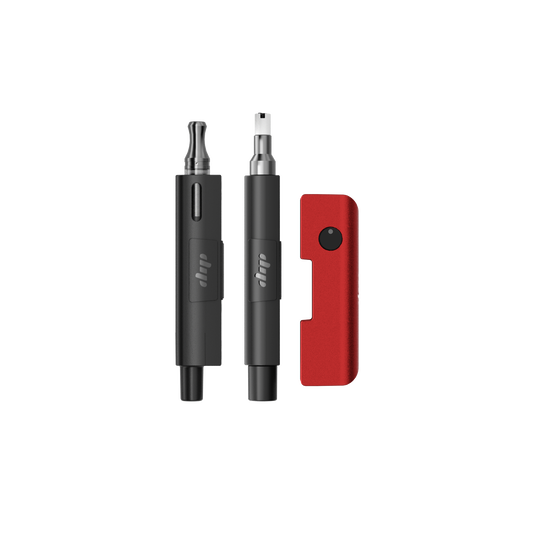
The user experience varies widely depending on device type. A simple 510-thread battery and cartridge offers push-button or draw-activated simplicity, while a device like the EVRI system provides multiple attachment options—nectar collector, quartz crystal atomizer, pod system—within a single modular platform. Understanding what is a dab pen in 2026 means recognizing this diversity and matching device architecture to use case.
The 2026 Dab Pen Market Landscape
The vapor pen category has experienced explosive growth and segmentation over the past several years. Headset data shows vapor pens ranked #2 in the U.S. and #3 in Canada by sales, with the U.S. market alone reaching approximately $4.3 billion in 2024. This isn't just a niche product—vapor pens and dab pens have become a cornerstone of legal cannabis commerce.
Within the category, disposable vape pens have been the fastest-growing subsegment. BDSA research found that disposables' share of vape dollar sales grew approximately 92% between Q1 2022 and Q1 2024, reaching around 25% of total vape sales across tracked markets. Consumers cite ease of use (56%) and convenience (44%) as primary drivers—no charging cables, no cartridge swapping, just unbox and consume.
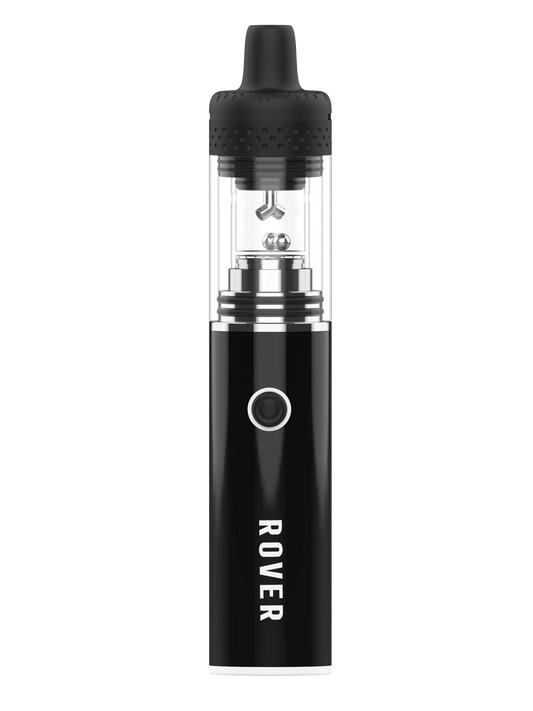
Yet disposables are only part of the story. The 510-thread ecosystem remains dominant for consumers who value versatility and sustainability, while proprietary systems (PAX Era, Stiiizy, and others) offer curated experiences and tighter quality control. Meanwhile, advanced e-rigs and portable dab rigs—devices like the Lunar vaporizer or Rover by Dip Devices—bring true dab-rig performance into a handheld form factor, appealing to concentrate connoisseurs.
The market's maturation has also brought heightened scrutiny of safety, materials, and regulatory compliance. As we'll explore below, understanding the best dab pens in 2026 requires evaluating not just performance but also the rigorous testing and materials science that separate regulated products from potentially dangerous alternatives.
Types of Dab Pens and Vapor Pens
510-Thread Cartridges and Batteries
The 510-thread format—named for the 10 threads at 5mm spacing on the connector—is the universal standard for cannabis cartridges. A 510 battery (ranging from simple twist-dial voltage pens to sophisticated devices with preheat modes and precise wattage control) pairs with pre-filled cartridges containing cannabis oil. This format accounts for the majority of vape sales in most markets and offers unmatched versatility: one battery works with virtually any brand's cartridges.
For dispensaries and brands, 510-thread cartridges represent a low-barrier entry point and broad compatibility. For consumers, they balance cost, selection, and ease of use. The best dab pen batteries in this category now feature variable voltage (to optimize different oil viscosities), USB-C charging, and safety features like auto-shutoff and short-circuit protection.
Proprietary Pod Systems
Brands like PAX, Stiiizy, and others have built ecosystems around proprietary pod formats. These closed systems offer tighter control over the entire experience—battery, heating element, oil formulation, and even software. PAX's PodID technology, for instance, lets users verify strain data and COAs via a web app (a workaround after Apple banned vaping apps from the App Store).
Proprietary systems often command premium pricing but deliver consistency, brand trust, and features unavailable in the open 510 market. The trade-off is reduced flexibility: you're locked into one brand's pod selection.
Disposable Dab Pens and Vape Pens
Disposable vape pens integrate battery, heating element, and pre-filled concentrate into a single-use device. Modern iterations are often rechargeable (via USB-C) to ensure the battery outlasts the oil, addressing early frustrations with dead batteries and wasted product. Disposables appeal to new users, travelers, and anyone prioritizing zero-maintenance convenience.
From a business perspective, the rapid growth of disposable dab pens reflects both consumer demand and brands' ability to offer trial-sized, accessible products. However, sustainability concerns and per-gram pricing premiums remain considerations.
E-Rigs and Portable Dab Rigs
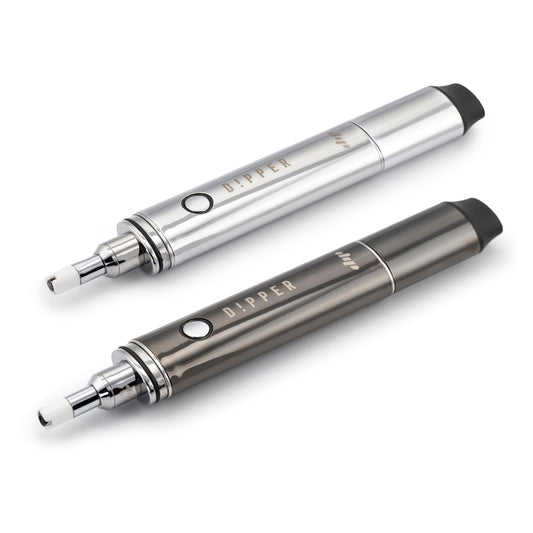
For concentrate enthusiasts seeking desktop-rig performance in a portable form, e-rigs represent the pinnacle of dab pen technology. Devices like the Rover by Dip Devices incorporate airflow engineering, terp pearls, and precise temperature control to deliver true dab-rig vapor quality. The Dipper and similar models use a "nectar collector" design: you heat the tip and apply it directly to concentrate, offering an on-demand, load-as-you-go workflow.
E-rigs bridge the gap between convenience and connoisseurship. They require more attention (loading, cleaning, temperature tuning) than a pre-filled cartridge but reward users with richer flavor, fuller vapor, and a hands-on ritual. For dispensaries marketing to experienced consumers or hosting educational events, e-rigs and portable dab rigs are a key differentiation point.
Safety First: Understanding Dab Pen Risks in 2026
We've all seen the headlines: vaping injuries, contaminated cartridges, and the 2019 EVALI crisis that hospitalized thousands. The good news is that we now understand the root causes—and the best practices to avoid them. The bad news is that not all products on the market follow those best practices, making consumer and buyer education absolutely critical.
The EVALI Crisis and Vitamin E Acetate
FDA research strongly linked the 2019 EVALI outbreak to vitamin E acetate in illicit THC vapes. This cutting agent—used to dilute expensive cannabis oil—proved extremely dangerous when inhaled. The crisis underscored a simple rule: never purchase THC vapes from unregulated, informal sources, and never add substances (especially vitamin E acetate or other non-approved cutting agents) to cannabis oil.
In 2026, this lesson remains foundational. Only buy from licensed dispensaries in legal cannabis states where products undergo mandatory testing. Informal or "street" carts carry unacceptable risks, regardless of packaging or claims.
Heavy Metals in Vape Hardware
A second, ongoing concern is heavy-metal contamination from device components. Research presented at the 2024 American Chemical Society meeting found nano-sized toxic metal particles (including lead, nickel, chromium, and copper) in some cannabis vape liquids even before first use—particularly in unregulated products. The metals migrate from heating elements, center posts, and other hardware into the oil and, ultimately, the aerosol you inhale.
This is why materials matter. The safest dab pens 2026 feature medical-grade components: CCELL and other reputable manufacturers now use 316L stainless steel center posts and publish heavy-metals test results to demonstrate compliance with strict state standards. California's heavy-metal action levels—lead 0.5 μg/g, arsenic 0.2 μg/g, cadmium 0.2 μg/g, mercury 0.1 μg/g for inhalable cannabis—serve as a de facto national benchmark. Products that meet or exceed these thresholds represent the current safety floor.
Certificates of Analysis and Regulatory Compliance
Every regulated cannabis product in legal states must pass testing for potency, pesticides, residual solvents, microbials, and heavy metals before reaching retail. Dispensaries and informed consumers should demand to see certificates of analysis (COAs) for any dab pen product. Many brands now offer QR codes on packaging or app-based COA access for real-time verification and counterfeit protection.
When evaluating the best dab pen brands, prioritize those with transparent testing, published materials specifications, and active engagement with standards bodies like ASTM Committee D37 on Cannabis.
How to Choose the Best Dab Pen for Your Needs
The best dab pen isn't a single product—it's the device that matches your use case, experience level, concentrate preferences, and budget. Here's how to evaluate your options in 2026.
Consider Your Concentrate Type
Different concentrates perform best in different devices. Distillate and CO₂ oils work well in any cartridge or pen. Live resin and live rosin—solvent-based and solventless extracts that preserve terpenes—benefit from lower temperatures and devices designed for thicker, terpene-rich oils. If you're primarily consuming live rosin or "sauce," look for variable-voltage 510 batteries or e-rigs with precise temp control, like the Lunar vaporizer with its affordable, high-performance design.
Wax, shatter, and crumble concentrates require a different approach entirely: either a wax pen with an exposed coil/chamber or a portable dab rig. The Little Dipper, for instance, offers a compact nectar-collector experience ideal for on-demand dabs of solid concentrates.
Evaluate Build Quality and Materials
As discussed, hardware materials directly impact safety. Prioritize devices and cartridges with:
— Medical-grade 316L stainless steel heating elements and center posts
— Ceramic or quartz chambers (avoid exposed nichrome or unknown alloys)
— Pyrex or borosilicate glass tanks/mouthpieces
— Published heavy-metal test results and materials certifications
Reputable brands invest in rigorous QA because they know their reputation depends on it. CCELL's public safety commitments, for example, set a standard other manufacturers should follow.
Decide Between Convenience and Customization
Disposable dab pens offer zero learning curve and minimal maintenance—ideal for new users or occasional consumers. Rechargeable 510 systems provide a middle ground: easy operation with the flexibility to swap strains and brands. Advanced e-rigs and modular devices like the EVRI (which supports nectar collector, atomizer, and pod attachments) demand more engagement but unlock deeper customization, better flavor, and long-term cost savings.
Your choice should reflect how you want to interact with the device. Are you seeking "set it and forget it" simplicity, or do you enjoy dialing in temperature curves and experimenting with different concentrate consistencies?
Check App and Software Features
In 2026, many premium dab pens integrate with mobile or web apps for temperature presets, session tracking, COA verification, and firmware updates. Although Apple banned vaping apps from the App Store in 2019, workarounds like PAX's web-app solution and "Connect Browser" for iOS still deliver digital experiences. If you value data-driven insights or precise control, app-enabled devices offer meaningful advantages.
How to Use a Dab Pen Safely and Effectively
Once you've selected the right device, proper usage maximizes safety, flavor, and hardware longevity. Here's how to use a dab pen in 2026.
Cartridge-Based Vapor Pens
— Charge your battery fully before first use (most now feature USB-C fast charging)
— Attach the cartridge by gently screwing it onto the battery; avoid overtightening, which can damage the connection
— If your battery has voltage control, start at the lowest setting (often 2.4–2.8V) to preserve terpenes and flavor
— Take slow, steady draws (3–5 seconds); avoid aggressive pulling, which can flood the coil or cause clogging
— Store the device upright when not in use to prevent leaks
Wax Pens and E-Rigs
— Load a small amount of concentrate (rice-grain to pea-sized depending on chamber) onto the coil or into the chamber
— Pulse the power button to gently melt the concentrate onto the heating element before taking a full draw
— Inhale slowly as the device heats; many e-rigs offer haptic feedback or LED indicators when they reach target temperature
— Clean the chamber regularly (after every 5–10 uses) with isopropyl alcohol and cotton swabs to prevent residue buildup
Devices like the Dipper simplify this workflow: heat the tip, dip it into your concentrate jar, and inhale—no loading required. The Rover takes it further with terp pearls and airflow engineering for desktop-rig vapor quality.
Temperature and Voltage Management for Concentrates
Temperature is the single most important variable in vaping concentrates. Too hot, and you combust terpenes, degrade cannabinoids, and produce harsh vapor. Too cool, and you waste product or clog the device. The sweet spot depends on your concentrate type and desired experience.
Temperature Ranges for Different Concentrates
— Distillate and CO₂ oil: These refined, low-terpene concentrates tolerate higher temps (up to 400–430°F or 3.2–3.7V on cartridges) without significant flavor loss
— Live resin and live rosin: Terpene-rich, full-spectrum extracts shine at lower temps (around 350–400°F or 2.4–3.2V). Puffco devices, for example, offer presets from ~490–545°F, with many users preferring the lower end for maximum flavor
— Wax, shatter, and crumble: These solid concentrates benefit from moderate temps (380–420°F) and a brief preheat to ensure even vaporization
The key question becomes: which sources does your device trust to deliver optimal heat? The answer has massive implications for your experience. Start low, step up incrementally, and find the temperature that balances vapor production, flavor, and smoothness for your specific concentrate and device pairing.
Voltage Control on 510 Batteries
For 510-thread systems, voltage (measured in volts, V) controls heat intensity. Most batteries range from 2.0V to 4.2V. As a general guide:
— 2.4–2.8V: Ideal for live resin/rosin; maximum terpene preservation, lighter vapor
— 2.8–3.4V: Balanced setting for most oils; good flavor and vapor production
— 3.4–4.2V: Higher heat for thick distillate or when cartridge is nearly empty; risks burnt taste if used with terpene-rich oils
Advanced batteries also offer preheat modes (low, sustained heat for 10–15 seconds) to prime the coil and reduce clogging with viscous oils.
Maintenance and Battery Safety Best Practices
Proper care extends device life and prevents safety incidents. Here's what every dab pen user should know.
Cleaning and Maintenance
— For cartridge devices, keep the battery's 510 connection clean by gently wiping with a cotton swab and isopropyl alcohol every few weeks
— For wax pens and e-rigs, clean the chamber and mouthpiece after every 5–10 sessions; burnt residue degrades flavor and can harbor contaminants
— Replace coils, atomizers, or heating elements per manufacturer guidance (typically every 20–50 uses, depending on device and concentrate type)
The Dip Devices support hub offers device-specific cleaning schedules and tips for models like the Little Dipper, Dipper, and EVRI.
Battery Safety and Charging
Lithium-ion batteries power nearly all modern dab pens, and while generally safe, they require respect. FDA battery safety guidance recommends:
— Use only the manufacturer-supplied or -recommended charger and cable
— Never charge devices on soft surfaces (beds, couches) or near flammable materials
— Avoid overnight or unattended charging
— Store devices in moderate temperatures; extreme heat or cold damages battery chemistry and can cause failure
— Discontinue use immediately if you notice swelling, unusual heat, or any damage to the battery housing
Most quality devices now include short-circuit protection, auto-shutoff (typically after 10–15 seconds of continuous firing), and overcharge protection. Still, user vigilance remains the first line of defense.
Where to Buy Dab Pens Online Safely
The question "where can I buy dab pen online?" has a nuanced answer in 2026. For THC-containing products, you must purchase from licensed dispensaries in legal states—cannabis cannot be legally shipped across state lines or purchased from unlicensed online retailers under current federal and state law. Many dispensaries now offer online ordering with in-store or curbside pickup, and some states permit licensed delivery services.
For hardware (batteries, empty cartridges, e-rigs), numerous reputable online vendors serve the cannabis industry. When evaluating where to buy dab pens online, prioritize:
— Authorized retailers and brand-direct stores (e.g., purchasing an EVRI directly from Dip Devices ensures authenticity and warranty coverage)
— Vendors who provide detailed product specifications, materials lists, and COAs
— Established businesses with verified customer reviews and responsive support teams
Avoid marketplaces or sellers offering "deal too good to be true" pricing on branded hardware—counterfeits are common and often use substandard materials that introduce heavy-metal and safety risks.
The Future of Dab Pens and E-Rigs
As we look ahead in 2026 and beyond, several trends are reshaping the dab pen and vapor pen landscape.
Solventless and Terpene-Forward Formulations
Consumer demand is shifting toward live rosin (solventless, heat-and-pressure extraction) and live resin (solvent-based but terpene-rich) products. These formulations deliver fuller flavor and a more flower-like entourage effect. Hardware is evolving to match: lower-temp presets, ceramic chambers, and precise airflow designed specifically for high-terpene oils.
Smart Devices and Digital Ecosystems
Despite app-store constraints, brands continue innovating with web-app controls, Bluetooth connectivity, and data tracking. Expect to see dose monitoring, consumption analytics, and even AI-driven temperature recommendations based on your concentrate and preferences. The integration of COA verification and anti-counterfeit measures into device software will become table stakes for premium brands.
Sustainability and Circular Economy Initiatives
The rapid growth of disposable vape pens has sparked environmental concerns. Forward-thinking brands are exploring rechargeable disposables, take-back and recycling programs, and modular designs that extend device lifespan. Regulatory pressure and consumer preference will likely drive a shift toward more sustainable dab pen architectures over the next few years.
Materials Science and Next-Gen Safety Standards
As research like the ACS study on nano-metals continues to inform best practices, expect even stricter materials requirements and testing protocols. The safest dab pens 2026 and beyond will feature fully inert vapor paths, real-time contamination monitoring, and compliance with evolving ASTM and state standards.
Conclusion: Your 2026 Dab Pen Strategy
The modern dab pen market in 2026 offers unprecedented choice, technology, and performance—but it also demands informed decision-making. Whether you're a cannabis professional evaluating product lines, a dispensary operator educating your staff and customers, or an individual seeking the best and safest way to consume concentrates, the principles remain consistent.
Prioritize safety by sourcing only from licensed, regulated retailers and verifying COAs and materials specs. Match device type to your concentrate preferences and use case: 510-thread for versatility, disposables for convenience, e-rigs for connoisseurship. Master temperature and voltage management to preserve terpenes and maximize both flavor and efficiency. Follow battery safety protocols and maintenance schedules to protect your investment and your health.
The cannabis industry's continued maturation—across regulatory frameworks, hardware innovation, and consumer education—means that the best dab pens and vapor pens are safer, more effective, and more accessible than ever. By staying informed and applying the strategies outlined in this guide, you can navigate the 2026 dab pen landscape with confidence and capture the full potential of cannabis concentrate consumption.
Need expert guidance on cannabis marketing, SEO, or consumer education strategies for your dispensary or cannabis brand? NisonCo has been a leading cannabis marketing firm for over a decade, helping businesses position products, educate consumers, and drive growth in this dynamic industry. Contact us for a free consultation to discuss how we can support your 2026 goals.